Hammam rituals · PROFESSIONAL GUIDE
Ghassoul Clay: What It Is and Why Cosmetic Brands Use It
What ghassoul clay is, why brands use it, and what buyers and formulators should know before sourcing it.
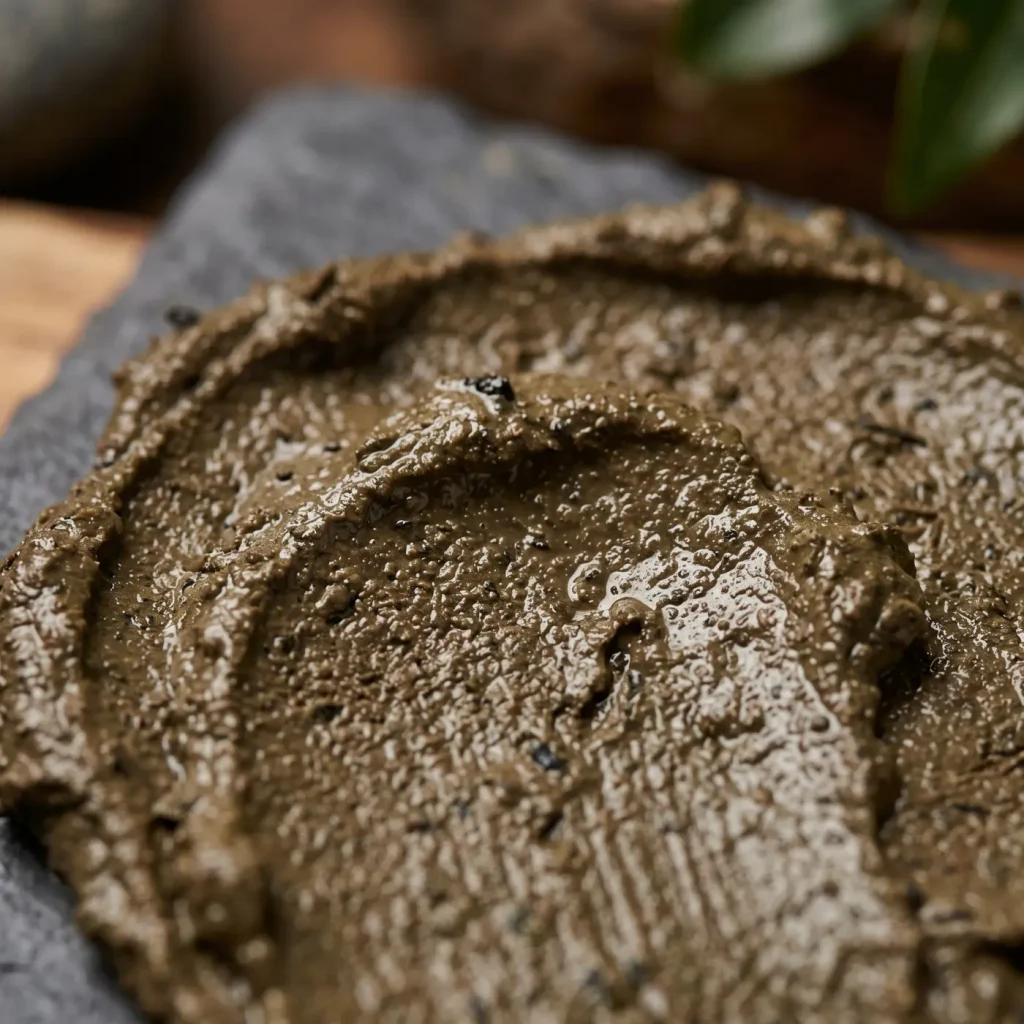
Ghassoul (also spelled rhassoul) is one of the ingredients most closely associated with Moroccan beauty rituals, and it’s increasingly requested by brands outside Morocco looking for a natural clay with a real regional story. Here’s what buyers and formulators should know before sourcing it.
What ghassoul actually is
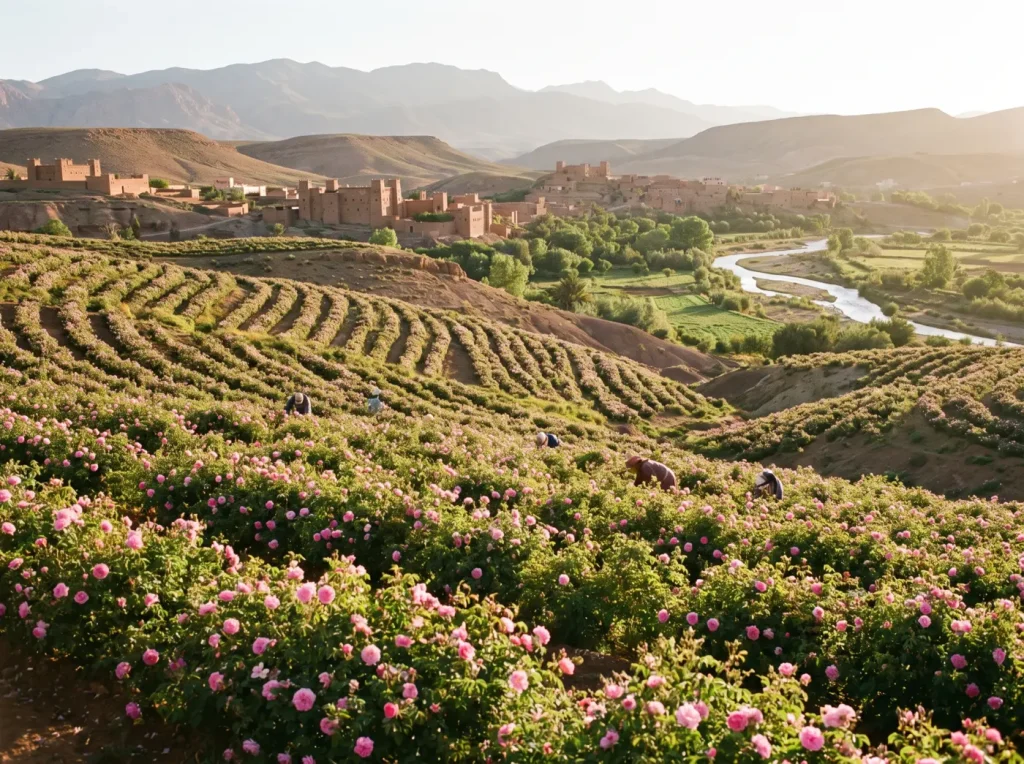
Ghassoul is a mineral clay mined from deposits in the Atlas Mountains region of Morocco. Unlike some clays used in cosmetics, it isn’t a byproduct of another industrial process — it’s specifically quarried for use as a cleansing and cosmetic material, and has been used in Moroccan hammam rituals for generations before becoming a cosmetic export.
Why it behaves differently from other cosmetic clays
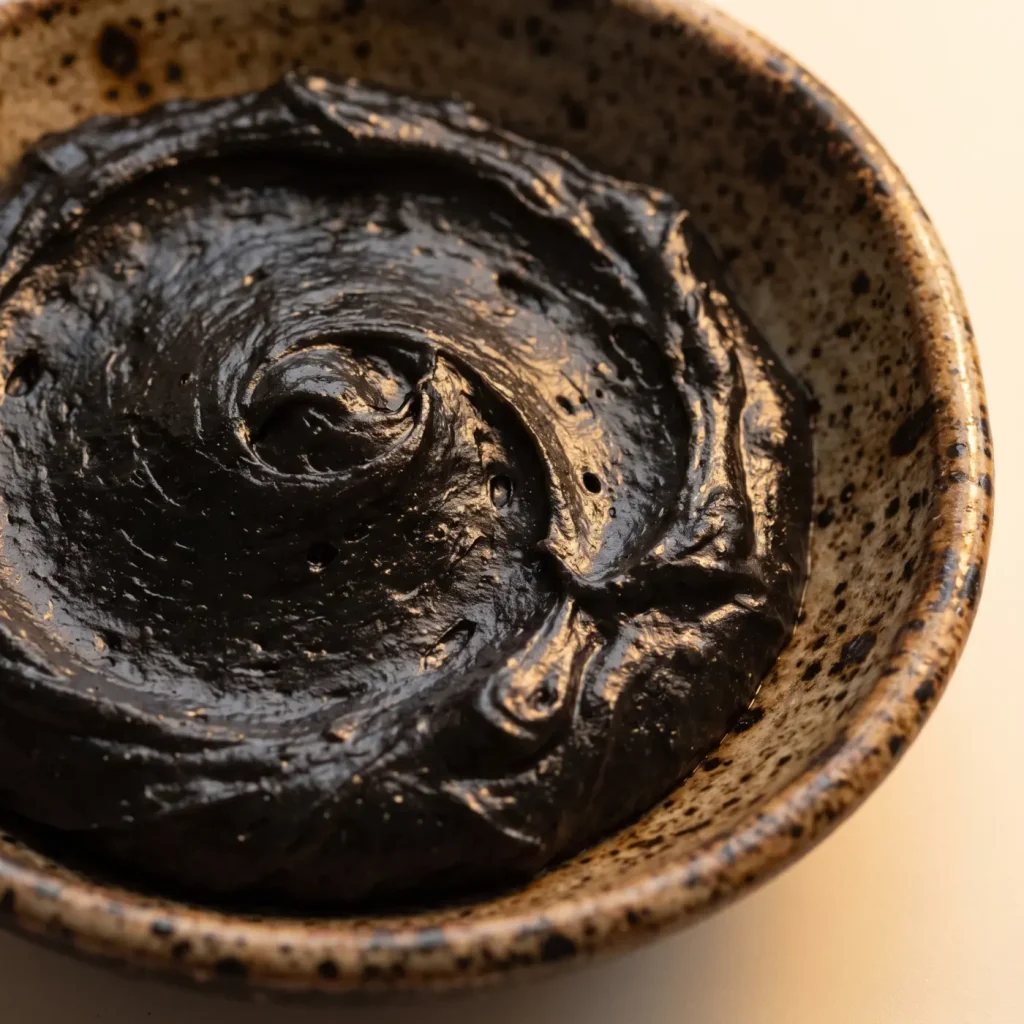
Ghassoul’s mineral composition gives it a high absorptive capacity and a texture that becomes notably slippery and smooth when mixed with water, unlike the grittier feel of some kaolin or bentonite clays. That texture is part of why it’s traditionally used as a hair-cleansing and skin-cleansing paste rather than only as a drying mask — it can lift oil and impurities without leaving skin or hair feeling stripped.
Common cosmetic formats
Ghassoul reaches buyers in a few typical forms: raw or crushed lumps, a fine milled powder ready to mix with water at home or in a spa setting, or as an ingredient pre-blended into finished products such as hair masks, face masks, and hammam body treatments. Which format you need depends on whether you’re formulating a finished product or offering the raw ingredient itself.
What to check when sourcing
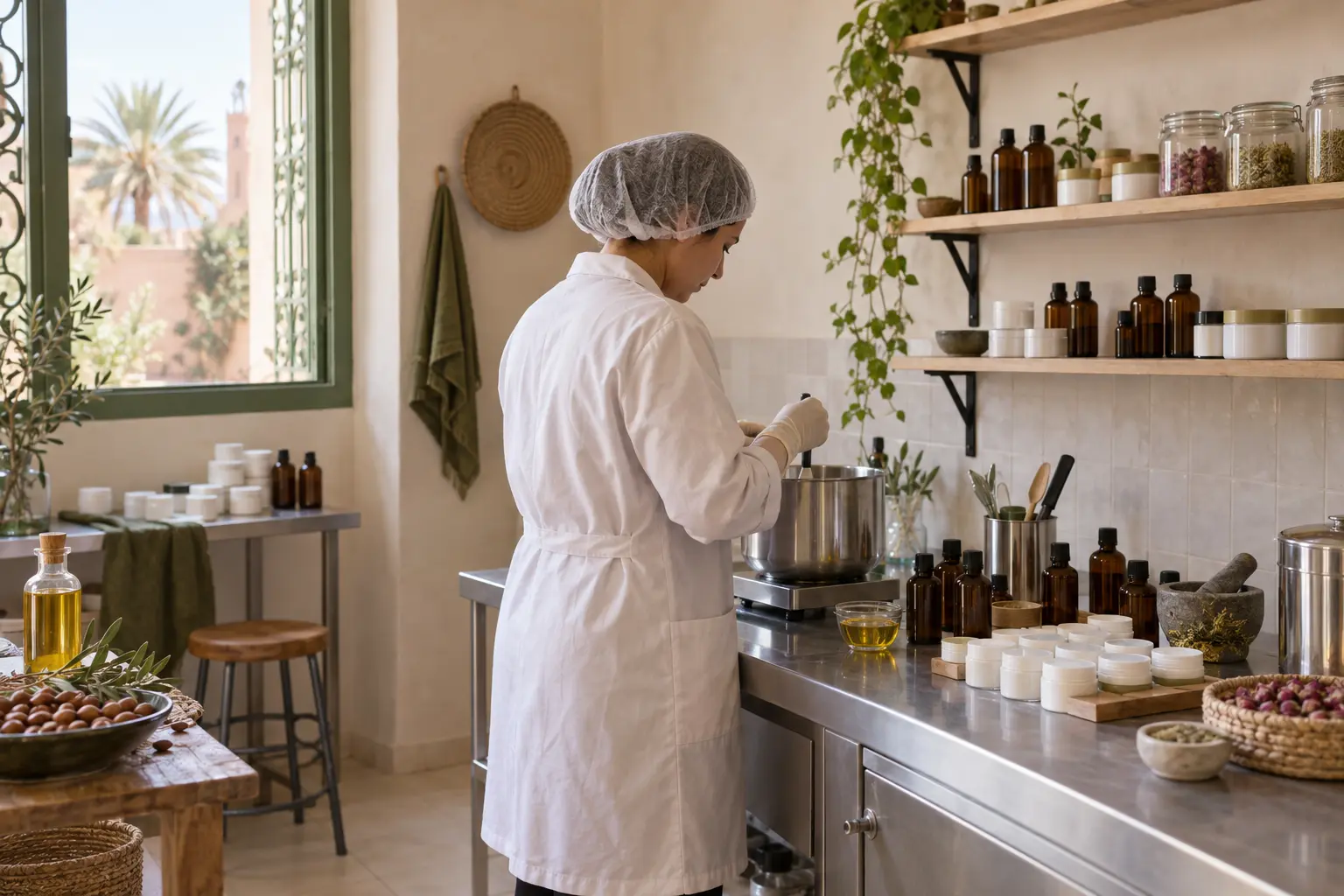
Because ghassoul is a mined mineral product, particle size and purity can vary between suppliers and even between batches. If you’re buying for a finished cosmetic formulation, ask for the powder’s mesh/particle size specification and confirm it’s been processed to cosmetic-grade purity rather than a coarser grade intended for other uses.
Where it fits in a product range
Ghassoul pairs naturally with other Moroccan hammam ingredients — black soap, rose water, prickly pear seed oil — as part of a coordinated ritual-based collection, which is often how it’s positioned by brands rather than as a single standalone SKU.
Whitwest Groupe sources and supplies Moroccan ghassoul clay as part of our Moroccan Hammam collection. See our ghassoul clay product page for supply options, or get in touch to discuss a bulk or private-label project.
GO FURTHER
From guide to project.
Browse the related products and the information you need to prepare your request to our team.
Moroccan Ghassoul Clay