Quality · PROFESSIONAL GUIDE
Cosmetic samples: organising evaluation before ordering
A practical method for comparing samples, recording observations and giving the manufacturer clear feedback.
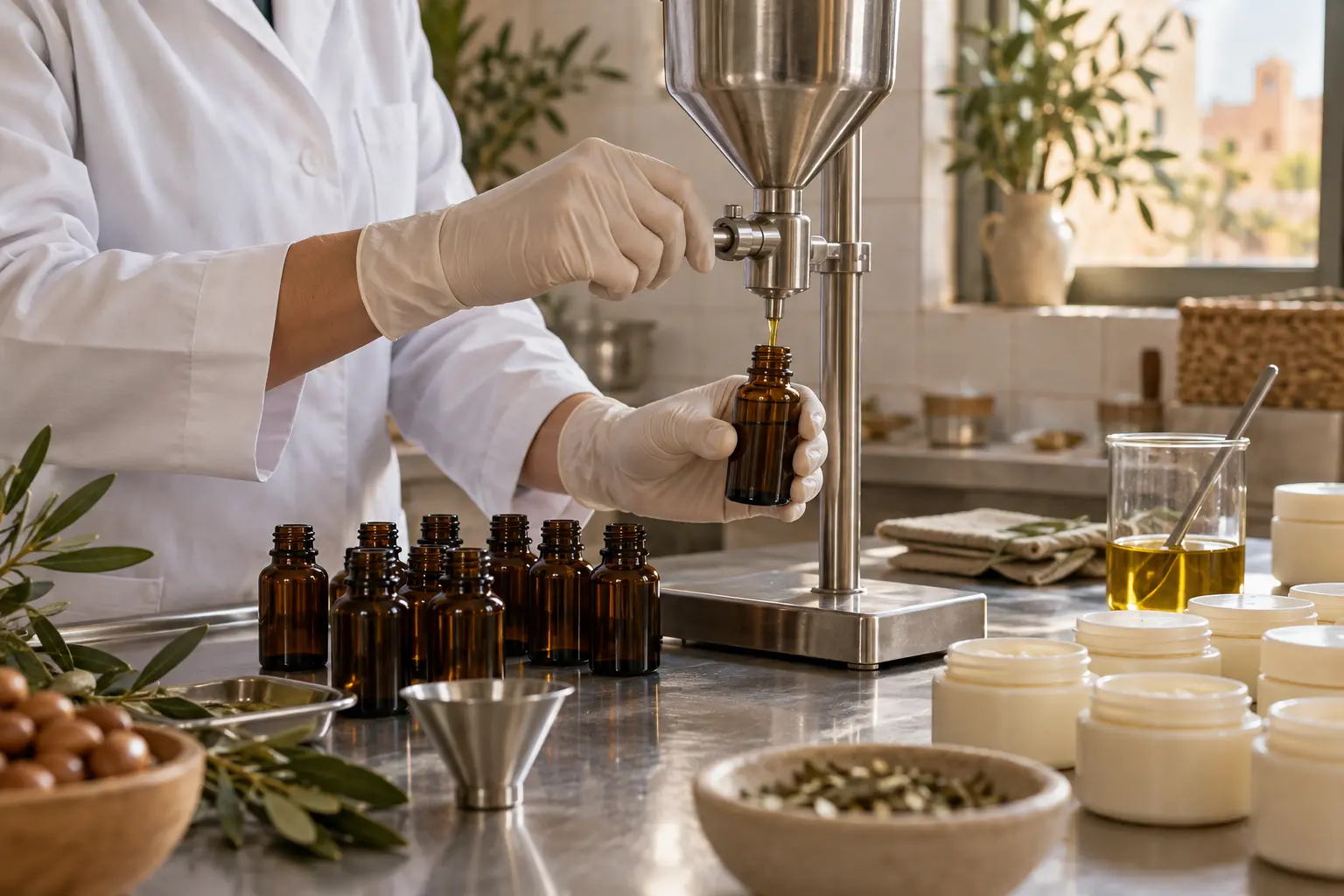
Receiving a sample is a working stage: it lets you discuss a proposal on a concrete basis. To make the most of it, prepare your criteria before opening the bottles. You can then compare versions and explain to the manufacturer what you want to keep or change.
Identify every sample precisely
On receipt, record the name, version code, date and information supplied by the manufacturer. Photograph the packaging and keep the accompanying instructions. If several variants arrive together, create a separate record for each to avoid confusion.
Ask what the sample represents: a proposed formula, a product with its final fragrance, or a demonstration in temporary packaging. Any change of bottle or pump will need to be considered as the project progresses.
Separate observations from preferences
First record what you can observe: appearance, apparent uniformity, ease of handling, opening and dispensing. Then describe sensory preferences in concrete terms. “The fragrance is too prominent for our brand” is more useful than “I don’t like it”.
Evaluate products according to the supplied instructions. This internal review does not replace safety, stability or compatibility assessments, or the tests needed to substantiate claims. A sample that feels pleasant to use is not enough to establish that the finished product complies with applicable requirements.
Use a shared feedback sheet
A common sheet helps compare feedback without turning every preference into a change request. Choose a small number of criteria directly related to the brief and add a column for questions needing clarification.
- Sample reference and version.
- Criterion examined and precise observation.
- Fit with the range’s positioning.
- Requested change and its priority.
- Point to check with the manufacturer.
If several people take part, ask them to record their observations before the group discussion. Then bring the comments together in one document.
Examine the packaging too
The container is part of the experience. Check handling, closure, artwork legibility and ease of dispensing using the combination actually proposed. Ask which checks are planned to confirm compatibility between the formula and its final packaging.
An artwork prototype may differ from production. Identify elements that are still provisional: material, colour, finish or information placement. Keep a record of what has actually been approved.
Formalise the decision and next step
Send feedback that distinguishes accepted elements, requested changes and outstanding questions. When a new version is supplied, compare it with the previous one using the same criteria and check any implications for timing or price.
Final approval should identify the correct formula reference and chosen packaging. Ask the supplier how this approval will be connected to the order documents. This precision reduces misunderstandings when moving into manufacturing.
GO FURTHER
From guide to project.
Browse the related products and the information you need to prepare your request to our team.