Private label · PROFESSIONAL GUIDE
Wholesale vs. Bulk Supply vs. Private Label: Understanding Your Sourcing Options
Wholesale, bulk supply and private label describe three different relationships with a manufacturer. Here is how to pick the right one.
“Wholesale,” “bulk supply,” and “private label” get used loosely in cosmetics sourcing conversations, and buyers new to the industry sometimes assume they’re interchangeable. They’re not — each describes a different relationship with a manufacturer, and picking the wrong one for your situation can cost you time on both sides of the conversation. Here’s the practical difference.
Wholesale: buying finished, branded product in volume
Wholesale means buying a manufacturer’s own finished, already-branded products in bulk quantities, usually at a reduced per-unit price in exchange for volume. You’re not changing the formula, the packaging, or the branding — you’re a distributor or retailer moving an existing product line. This is the right route if you want to sell an established product under its original brand, not build your own.
Private label: your brand, the manufacturer’s formula and production
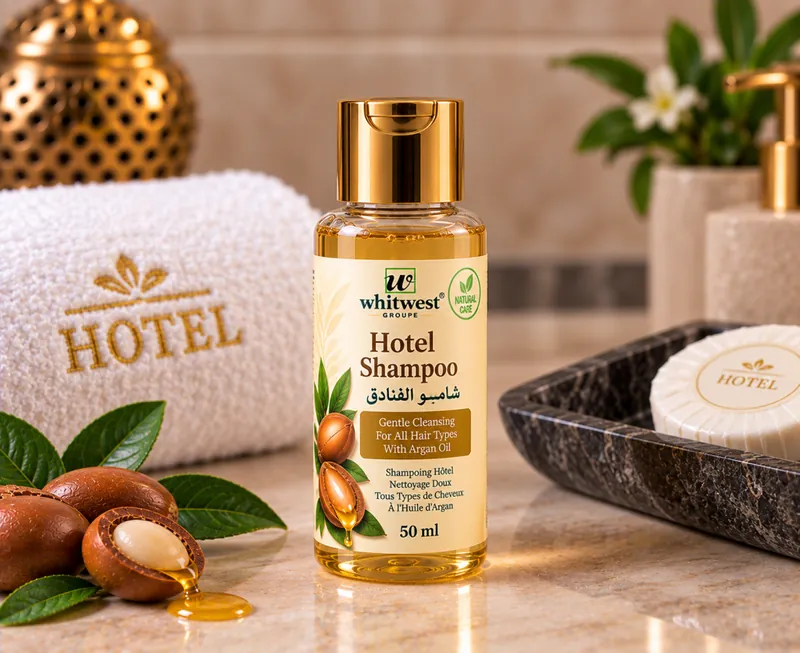
Private label means a manufacturer produces a product — often based on an existing base formula, sometimes with room for adjustment — that ships under your brand name, your packaging, and your labeling. You’re building your own brand identity, but relying on the manufacturer’s existing formulation and production capability rather than developing a fully custom product from scratch. This is the most common route for new cosmetics brands entering the market.
Bulk supply: raw or semi-finished material for your own formulation
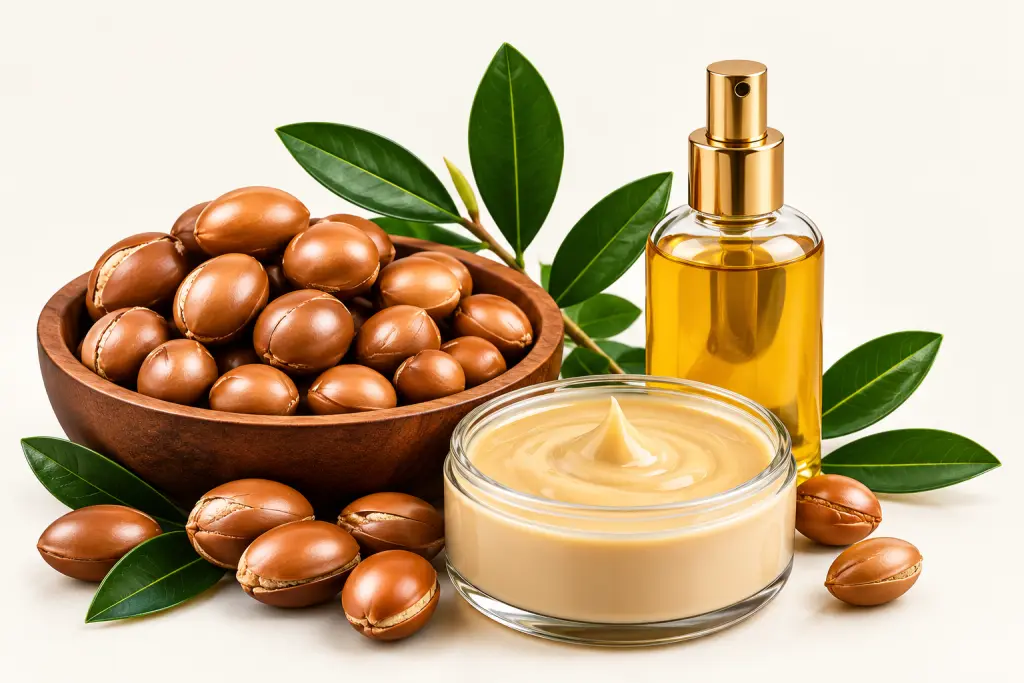
Bulk supply means buying a raw ingredient or semi-finished material — argan oil by the kilogram, for example, rather than a finished bottle — for use in your own manufacturing process. This route assumes you (or a manufacturer you work with separately) will do the actual formulation, blending, and packaging. It’s the right choice if you already have formulation capability and need a reliable, well-documented raw material source.
How to know which one you need
A useful test: if you want to sell a product as-is under someone else’s brand, that’s wholesale. If you want to sell it under your own brand but don’t have formulation or production capability yourself, that’s private label. If you already formulate and manufacture, or work with a formulator, and just need the raw material, that’s bulk supply. Many buyers actually need a combination — starting with private label finished products while sourcing certain ingredients in bulk for a separate in-house line, for example.
Questions worth asking regardless of route
Whichever route fits your project, the same due-diligence questions apply: what documentation (certificates, specifications, traceability) does the supplier provide as standard, what are the realistic minimum order quantities for your specific product and packaging, and what lead times should you plan around.
Whitwest Groupe offers all three routes — wholesale, private label, and bulk supply — for Moroccan-sourced cosmetics. Explore our private label services or get in touch to discuss which route fits your project.
GO FURTHER
From guide to project.
Browse the related products and the information you need to prepare your request to our team.
Private Label